Dorrigo Evans's Fatal Car Accident
The Narrow Road to the Deep NorthDorrigo Evans's fatal car accident brings his life to an abrupt end and frames his last three days through dreams that reach between his present and the wartime past. The collision kills two young occupants of the other car, critically injures Dorrigo, and leaves important circumstances of the crash publicly unexplained.
The collision and its circumstances
At three in the morning, Dorrigo is driving his ageing Bentley through an intersection in Parramatta when a stolen Subaru Impreza runs a red light and crashes into him. Its occupants are young people fleeing the police; two are killed and another is critically injured. The collision totals both vehicles and leaves Dorrigo, celebrated as one of Australia's greatest war heroes, critically injured.
The account notes that the place and time of the crash were never publicly explained, along with the matter of an alcohol reading. It does not resolve those omissions. The accident therefore ends Dorrigo's life while leaving part of its public account obscured, in pointed contrast to the nation's readiness to make his death a public story.
The three days before his death
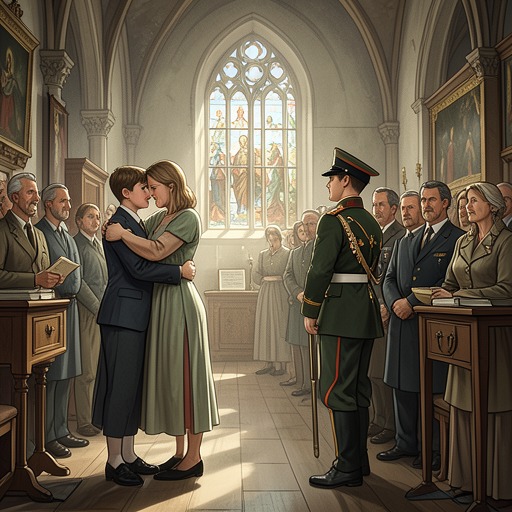
Dorrigo is three days dying, and during that interval he experiences dreams described as the most extraordinary of his life. In one, light floods a church hall where he sits with Amy. He moves in and out of its brightness, returns to the arms of women, and dreams of flying and of Amy. These images place intimacy, memory, and a sense of beginning within the account of his approaching death.
As the nation prepares to mourn him, public discussion contrasts the supposed nobility of his generation's heroism with the criminality of the young people in the stolen car. Dorrigo, meanwhile, is stunned by the sense that his life is only just beginning. The contrast does not settle into a simple judgment of either generation: the public turns his death into a debate even as his private experience moves through dreams and memories.
The final image and the wartime narrative
The account closes by moving from Dorrigo's dying dreams to a faraway teak jungle, long since cleared, in Siam, a country that no longer exists. There, a man who is already dead finally falls asleep. This image binds Dorrigo's end to the wartime story without presenting the past as finished: the landscape and country have disappeared, while the remembered death remains part of the novel's present.
The next chapter turns to Dorrigo at a wartime camp, waking from a dream of death as he prepares to choose one hundred men from seven hundred prisoners for a march deeper into the jungle. That return makes the accident more than the endpoint of the present-day plot. Its placement folds the impending death back into the earlier burden of command and the lives shaped by war.